
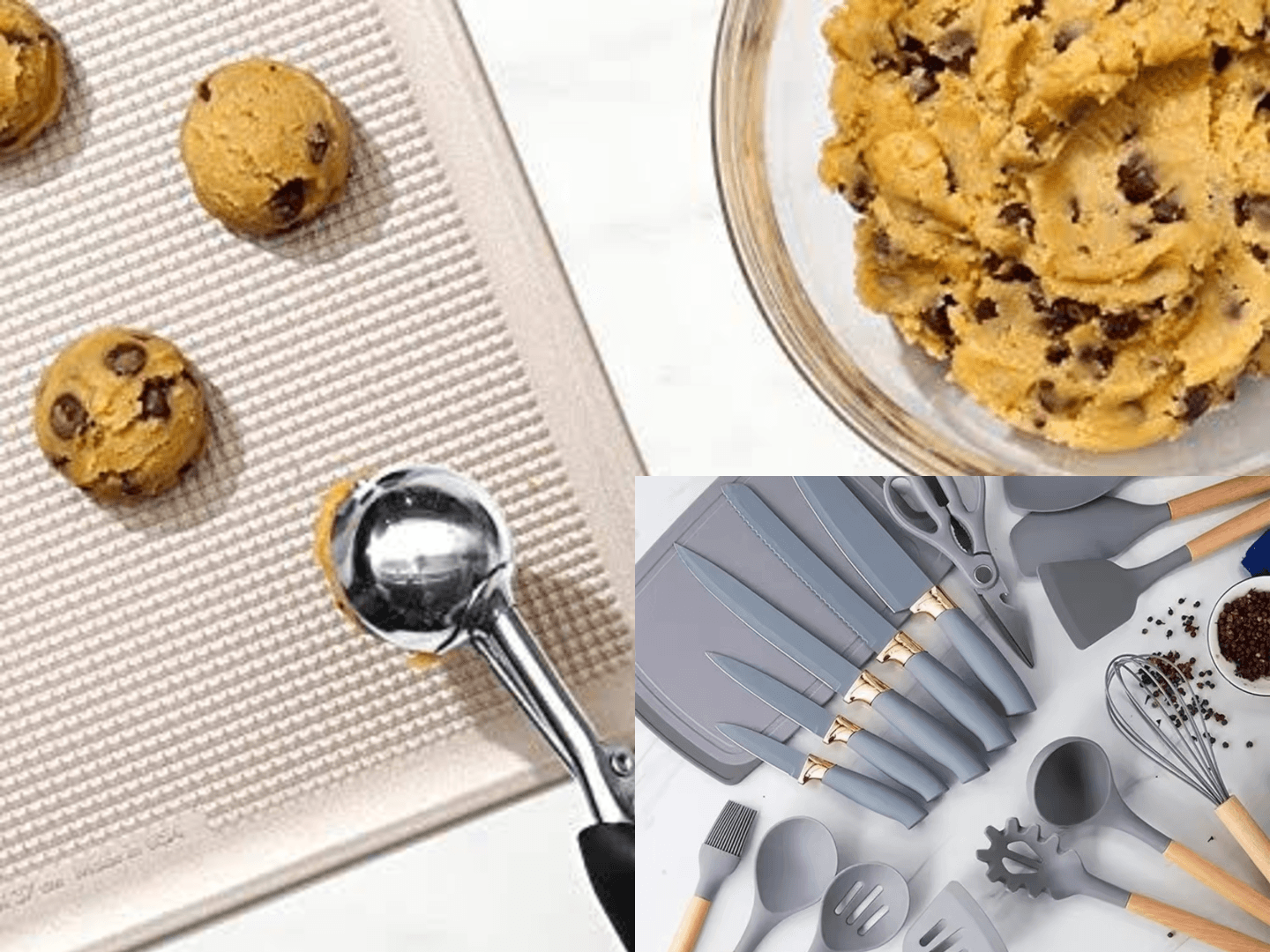
CookiesForLove Kitchen Tech Tools does not appear as a verified product line in any authoritative source. However, the baking tools associated with that phrase reflect real, expert-recommended equipment that helps home bakers achieve consistent results. This guide covers the essential items that professional bakers and consumer testing organizations consistently endorse.
The Foundation Tools Every Baker Should Own
A well-stocked baking kitchen begins with a few core items that appear repeatedly in expert recommendations. Consumer Reports subjects hundreds of baking appliances to rigorous testing each year to identify which tools deliver value. The essentials that consistently earn praise include mixing bowls, baking sheets, measuring tools, and some form of electric mixer.
Mixing bowls in glass and stainless steel are the standard recommendation because they are durable and neutral in flavor. Most recipes require multiple bowls for wet ingredients, dry ingredients, and add-ins, so having a nested set saves time and prevents improvisation.
Heavy-duty baking sheets matter more than most beginners realize. Nordic Ware half sheet pans, made from uncoated natural aluminum, are the same style used in commercial bakeries and cost around $12 each. Professional baker Kristen Tomlan, founder of Cookie DO, notes that the light color of aluminum sheet pans helps transfer heat slowly, preventing cookie bottoms from over-browning.
Measuring cups and spoons remain essential even for bakers who own a scale. Liquid measuring cups with angled markings allow reading measurements from above without bending to counter height. Magnetic measuring spoon sets that snap apart individually prevent the common frustration of losing spoons from a ring.
Stand Mixers vs. Hand Mixers: Choosing the Right Machine
A stand mixer is the single most valuable appliance for frequent bakers. America’s Test Kitchen tests stand mixers through demanding trials that include multiple batches of bagel and high-hydration pizza dough. The KitchenAid Artisan Series 5 Quart tilt-head model earns praise for its adjustable tool height and comfortable bowl handle, though testers note its actual capacity is closer to 3 quarts than the advertised 5.
Consumer Reports found that the Hamilton Beach stand mixer kneaded, mixed, and whipped as well as the top-scoring Waring Commercial model, which costs over $800**. The Hamilton Beach option costs under **$300, making it a practical choice for bakers who do not need commercial capacity.
For less intensive tasks, a hand mixer gets the job done with less expense and storage space. Consumer Reports awarded the Breville Handy Mix Scraper the top spot for its whipping and mixing performance at around $160**, while the **KitchenAid Architect 7-Speed** hand mixer at **$75 also performed well. A professional baker writing for Yahoo Shopping notes that an affordable hand mixer has lasted nearly a decade in her home kitchen and handles cake batter, frosting, whipped cream, and even shredded meat.
Precision Tools That Prevent Common Baking Failures
Digital kitchen scales are the most frequently cited upgrade in expert interviews. Elizabeth Kim of Guilty Good Pastries calls a scale an “absolute MUST,” while Howe Wang of Tang’s Bakery says it is necessary “for those bakes that require a bit more precision and uniformity”. Ina Garten, the Barefoot Contessa, uses the OXO pull-out display scale, which allows reading measurements even with a large bowl on top.
Oven thermometers address a widespread problem: most home ovens are inaccurate. Sources indicate that home ovens can be off by 25 to 50 degrees from the dial setting. Food52 states plainly that an oven thermometer is necessary because your oven “is lying to you” about its temperature.
Cookie scoops are a small investment that pays off in consistency. Elisa Ludwig, owner of Care Package Bakes, recommends using a scoop to portion dough so every cookie bakes at the same rate and looks uniform. A former chef writing for Food & Wine uses ice cream scoops for portioning batter, a trick learned in the pastry department.Quick Bio: CookiesForLove Kitchen Tech Tools
| Field | Details |
|---|---|
| Full Name | Cookiesforlove Kitchen Tech Tools |
| Age | Not applicable |
| Birthplace | Not applicable |
| Nationality | Not applicable |
| Profession | Kitchen and baking information |
| Height | Not applicable |
| Education | Not publicly specified |
| Years Active | Not verified |
| Notable Works | Cookiesforlove Kitchen Tech Tools article |
| Awards | Not publicly verified |
| Net Worth | Not applicable |
| Official Website | cookiesforlove.net |
Smart Technology and Innovative Gadgets
Smart kitchen technology has entered the baking space, though expert recommendations remain focused on practical benefits rather than novelty. Smart ovens can adapt temperature automatically depending on what is baking, removing guesswork from the process. Smart thermometers alert bakers when cookies reach the desired golden-brown stage. Recipe apps now tailor suggestions to ingredients already on hand, and some mixers can be controlled from a smartphone.
Food processors earn consistent praise for tasks that require temperature control. A semi-professional baker writing for Food & Wine recommends using a Cuisinart Custom Food Processor instead of a pastry cutter because the machine blitzes pâte sucrée and flaky pie doughs in seconds without transferring hand heat to the butter. Consumer Reports named the Cuisinart Pro Custom 11 top-scoring in its category at $195, noting it can chop, slice, shred, purée, and mix certain doughs.
Silicone baking mats reduce parchment paper waste and protect sheet trays. Silpat mats are more expensive than generic liners but are the most durable option, according to a professional baker who notes that actress Jennifer Garner is also a fan. Claire Saffitz cautions that silicone mats are so slippery that cookies will spread more dramatically than on parchment paper.
Matching Tools to Your Baking Style
Not every baker needs every tool. The practical approach is to assess how you actually bake before investing in equipment.
Occasional bakers who make cookies, cakes, and quick breads a few times a month can succeed with a hand mixer, a set of mixing bowls, a digital scale, and two half sheet pans. This setup costs less than $100 and covers the vast majority of standard recipes.
Regular bakers who make bread dough or tackle multi-component desserts will benefit from a stand mixer. America’s Test Kitchen notes that the KitchenAid Artisan Mini 3.5 Quart aced nearly every test except sticky, heavy pizza dough, making it suitable for bakers with limited space who do not make high-volume recipes.
Serious bakers who bake bread weekly or sell baked goods should consider a bowl-lift stand mixer with a more powerful motor. The KitchenAid Pro Line 7-Quart at around $550 is built for large batches, and its bowl-lift design provides more stability than tilt-head models.
Maintenance Extends Tool Life
Proper care prevents premature replacement. Clean tools after each use to prevent buildup that degrades performance. Store utensils in a way that avoids unnecessary wear and tear.
Know your materials: wooden spoons require oiling, stainless steel can be scrubbed safely, and cast iron needs seasoning after washing. A professional baker writing for Yahoo Shopping notes that Lodge cast iron skillets last over a decade and can last a century with proper care.
Follow manufacturer instructions for specific care routines. This saves time and helps avoid premature tool failure. Silicone spatulas should be fully silicone rather than plastic to withstand heat and dishwashing.
The Bottom Line
CookiesForLove Kitchen Tech Tools cannot be verified as a specific brand or product line in any authoritative source. The baking tools that experts consistently recommend include a digital scale, an oven thermometer, a heavy-duty aluminum sheet pan, a silicone spatula, and either a hand mixer or stand mixer depending on baking frequency. These items appear across recommendations from Consumer Reports, America’s Test Kitchen, Food & Wine, and professional bakers interviewed by New York Magazine and Yahoo Shopping. Investing in these verified essentials will improve baking results far more than chasing an unverified brand name.
Q: What is CookiesForLove Kitchen Tech Tools?
CookiesForLove Kitchen Tech Tools does not correspond to any verified brand, manufacturer, or product line in authoritative sources. The term appears only on an unverified third-party blog that lists generic baking equipment without identifying a company or product catalog. No evidence exists from established organizations like America’s Test Kitchen, Consumer Reports, or the Institute of Culinary Education confirming this as a real entity.
Q: What tools do professional bakers consider truly essential?
Professional bakers consistently prioritize simple, versatile basics over expensive gadgets. A digital kitchen scale tops the list because weighing ingredients is more precise and consistent than measuring by volume, and it reduces dishes. Bench scrapers are another must-have for portioning dough, cleaning work surfaces, and transporting ingredients. A half sheet tray and a good silicone spatula round out the core essentials that experts call indispensable.
Q: Do I need a stand mixer to bake well?
Not necessarily. Consumer Reports testing found that hand mixers handle whipping cream, egg whites, and cake batter effectively, and they cost less while taking up minimal space. A budget hand mixer performed well enough to earn top scores in their tests. Stand mixers become worthwhile for frequent bakers who make bread dough or large batches, where a more powerful motor earns its keep.
Q: What is the single most impactful upgrade for home bakers?
An oven thermometer is the most overlooked tool that solves a widespread problem. Home ovens often run inaccurate by 25 to 50 degrees, causing uneven baking and burnt edges. Food52 states plainly that an oven thermometer is necessary because your oven “is lying to you” about its temperature. Pairing one with a digital scale addresses the two most common sources of baking failure: inaccurate measurements and unpredictable heat.
Q: Are silicone baking mats better than parchment paper?
Both work well, but they serve different purposes. Silicone mats like Silpat are dishwasher-safe, reusable thousands of times, and prevent sticking without waste. However, they are so slippery that cookies spread more dramatically than on parchment. Parchment paper offers convenience and disposable cleanup, and pre-cut sheets sized for standard rimmed baking sheets are a favorite among test kitchen editors. Many bakers keep both on hand depending on the recipe.
