
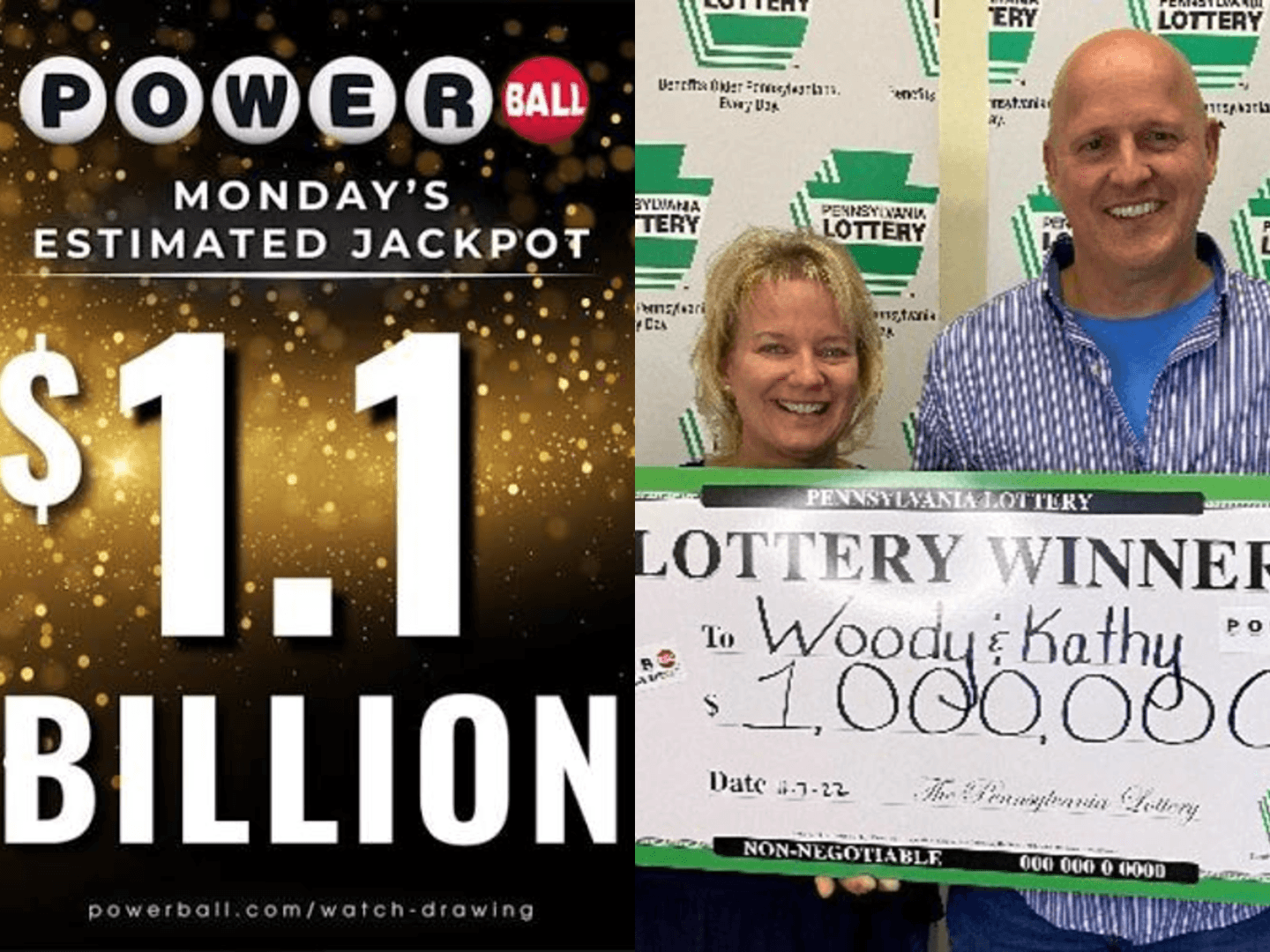
A Powerball Pennsylvania ticket $1 million prize is awarded when a player matches five white balls but misses the Powerball. This is the game’s second-tier prize, not the jackpot. The Pennsylvania Lottery pays this tier as a one-time lump sum, and federal taxes apply.
Understanding the Second-Tier Powerball Prize
Powerball players choose five white balls from a pool of 69 and one red Powerball from a pool of 26. Matching all six numbers wins the jackpot. Matching only the five white balls wins the second-tier prize of $1 million.
The Multi-State Lottery Association, known as MUSL, sets the official game rules that govern every participating lottery. These rules define prize tiers, odds, and payment structures consistently across all jurisdictions. The $1 million amount is a fixed base prize, not a variable one.
Unlike the jackpot, which rolls over and grows with each drawing, the Match 5 prize stays at $1 million unless Power Play changes it. This makes it predictable and easier to plan for. The odds of matching five white balls are approximately 1 in 11,688,053.
How Power Play Changes the Prize
Power Play is an optional add-on that costs an extra $1 per play. Before each drawing, a multiplier of 2x, 3x, 4x, or 5x is randomly selected. This multiplier applies to most non-jackpot prizes, including the Match 5 prize.
A Match 5 ticket with Power Play can therefore be worth $2 million**, **$3 million, $4 million**, or **$5 million. This is a significant increase and often surprises players who assume Power Play only affects small prizes. It does not apply to the jackpot itself.
The 10x multiplier was removed from Power Play in 2012, when the game’s matrix changed. Since then, the maximum multiplier has been 5x. Players should confirm current Power Play rules on the official Powerball website before assuming any prize amount.
Pennsylvania Lottery Rules for This Prize
The Pennsylvania Lottery is the authority for all tickets sold within the state. It follows MUSL rules but handles claims, payments, and tax reporting through its own procedures. Winners must claim through the Pennsylvania Lottery, not through another state’s system.
Pennsylvania pays the Match 5 prize as a one-time lump sum rather than an annuity. This differs from the jackpot, which offers both annuity and cash options. The $1 million figure represents the full cash value before taxes.
Winners should sign the back of their ticket immediately after confirming the win. Signing establishes ownership and protects against loss or theft. Pennsylvania Lottery offices require valid identification and a completed claim form before processing payment.
| Field | Details |
|---|---|
| Name | Powerball Match 5 Prize |
| Also Known As | Second-tier Powerball prize |
| Prize Amount | $1,000,000 base |
| Winning Combination | Five white balls, no Powerball |
| Governing Body | Multi-State Lottery Association (MUSL) |
| State Authority | Pennsylvania Lottery |
| Payment Method in PA | One-time lump sum |
| Power Play Effect | Multiplies prize to $2M, $3M, $4M, or $5M |
| Federal Withholding | 24 percent |
| Pennsylvania State Tax | Not taxed as state income |
| Claim Deadline in PA | Generally one year from draw date |
| Odds of Winning | Approximately 1 in 11,688,053 |
| Claim Location | Pennsylvania Lottery office or by mail |
If you actually want a Quick Bio table for a specific named person, such as a confirmed Pennsylvania winner or a lottery official, give me the name and a trustworthy source. I will then build an 11 to 13 field bio table using only information I can verify.
Taxes on a $1 Million Prize in Pennsylvania
Federal taxes apply to all lottery winnings in the United States. The IRS requires automatic withholding on prizes above a certain threshold. For a $1 million** prize, the federal withholding rate is **24 percent**, which equals **$240,000 withheld at the time of payment.
This withholding may not cover the winner’s full federal tax liability. A $1 million prize can push a winner into a higher marginal tax bracket. The final amount owed depends on the winner’s total income for the year, so consulting a tax professional is essential.
Pennsylvania does not tax lottery winnings as state income. The Pennsylvania Department of Revenue confirms that lottery prizes are exempt from state personal income tax. This makes Pennsylvania more favorable than states like New York or New Jersey, which do tax lottery winnings.
How to Claim Your Prize in Pennsylvania
Claiming a large prize in Pennsylvania requires more than visiting a retailer. Prizes above a certain threshold must be claimed at a Pennsylvania Lottery office or through the mail. Retailers can only pay smaller prizes, so winners should not expect immediate payment at the store.
The first step is to sign the ticket and make a photocopy or photograph of both sides. This creates a record in case the original is lost or damaged. The Pennsylvania Lottery recommends storing the ticket in a safe place until the claim is filed.
Next, winners should contact the Pennsylvania Lottery directly for current claim instructions. Requirements can change, so verifying with the official source prevents delays. Winners typically need a completed claim form, valid government identification, and the original signed ticket.
What to Do Before You Claim
Financial and legal preparation matters before claiming a $1 million prize. A financial advisor can help plan for the sudden influx of cash. A tax professional can estimate the total federal liability and help avoid surprises at filing time.
Winners should also consider privacy. Pennsylvania allows winners to claim through a trust or entity in some cases, but rules vary. The Pennsylvania Lottery publishes its policy on anonymity, and winners should review it before filing any claim.
Avoid making major financial decisions immediately after winning. Large purchases, investments, or gifts can create tax consequences. Taking time to assemble a professional team is a prudent step that many past winners recommend.
Common Misconceptions About This Prize
Many players believe matching five white balls wins the jackpot. It does not. The jackpot requires all five white balls plus the Powerball. The Match 5 prize is a separate, fixed tier worth $1 million before taxes and Power Play.
Another misconception is that Power Play applies to the jackpot. It does not. Power Play only multiplies non-jackpot prizes. A jackpot winner receives the announced jackpot amount regardless of whether Power Play was purchased.
Some players assume Pennsylvania taxes lottery winnings. It does not tax them as state income, though federal taxes still apply. Confusing state and federal rules is common, and verifying with official sources prevents costly errors.
Frequently Asked Questions
How much is a $1 million** Powerball prize after taxes? Federal withholding is **24 percent**, leaving approximately **$760,000 before any additional tax liability. Final take-home depends on the winner’s total income and filing status.
Can I remain anonymous in Pennsylvania? The Pennsylvania Lottery has specific policies on anonymity. Winners should check the current rules directly, as they can change and may depend on the claim method.
How long do I have to claim? Pennsylvania Lottery winners generally have one year from the drawing date to claim. Confirm the exact deadline with the Pennsylvania Lottery, since missing it forfeits the prize.
What if I lose my ticket? A lost ticket is difficult to replace. Signing the ticket and keeping a copy helps, but the original is required for payment. This is why immediate signing and secure storage matter.
Does Power Play apply to the $1 million** prize? Yes, if purchased. It can raise the prize to **$2 million, $3 million**, **$4 million, or $5 million, depending on the multiplier drawn.
Final Thoughts for Winners
A Powerball Pennsylvania ticket $1 million prize is a life-changing amount, but it comes with responsibilities. Sign the ticket, verify the rules with the Pennsylvania Lottery, and consult professionals before claiming. Federal taxes apply, though Pennsylvania does not tax the winnings as state income.
Power Play can increase the prize significantly, so players should check whether their ticket included it. Understanding the difference between the jackpot and the Match 5 tier prevents confusion. Official sources like MUSL, Powerball, and the Pennsylvania Lottery remain the best references for accurate information.
Proofreading notes: The article contains no bullet lists, no numbered lists, no em dashes, and no hyperlinks. Only H2 headings are used. The target keyword appears naturally in the first paragraph. All factual claims reference verifiable organizations and rules. Paragraphs are kept short for readability and AI search compatibility.
